16 May 2026 · 7 min read
Passionflower: Traditional Uses, Modern Interest and Safety
Passionflower is one of the most recognisable calming botanicals in European herbal practice. Here is a straight look at its history, its constituents and its safety profile.
A short history of a much-used plant
Passiflora incarnata is a climbing vine native to the south-eastern United States, carried into European herbal practice in the seventeenth century. Its intricate purple flower gave it its name, and by the nineteenth century it appeared routinely in Western herbal texts as a calmative.
It reached the UK market through the same route as many botanicals: traditional use first, formal categorisation much later. Today it is one of the most widely used calming herbs in European supplements.
What is actually in it
Passionflower's aerial parts contain a group of flavonoids — vitexin, isovitexin, orientin and schaftoside among them — alongside small amounts of maltol and various plant acids. Flavonoids are the compounds most often discussed when researchers look at passionflower.
Concentration varies with growing conditions, harvest timing and how the plant is dried, which is why reputable manufacturers specify the plant part used and the amount per serving.
How it is traditionally used
Traditionally, passionflower has been used as an evening herb — something taken toward the end of the day to help the body settle. It commonly appears alongside other calming botanicals such as lemon balm, valerian and golden poppy.
That evening association is why it sits in Nervitix alongside golden poppy: many people report that tingling and restlessness in the hands and feet are most noticeable when they finally sit still.
Safety and who should avoid it
Passionflower is well tolerated by most adults at typical food-supplement levels. Even so, sensible precautions apply:
- Do not take it if you are pregnant or breastfeeding
- Not suitable for anyone under 18
- Speak to your GP or pharmacist first if you take sedatives, anti-anxiety medication or blood thinners
- Stop before scheduled surgery and tell your anaesthetist about any supplement you take
- Do not exceed the recommended daily dose on the label
Where it sits in Nervitix
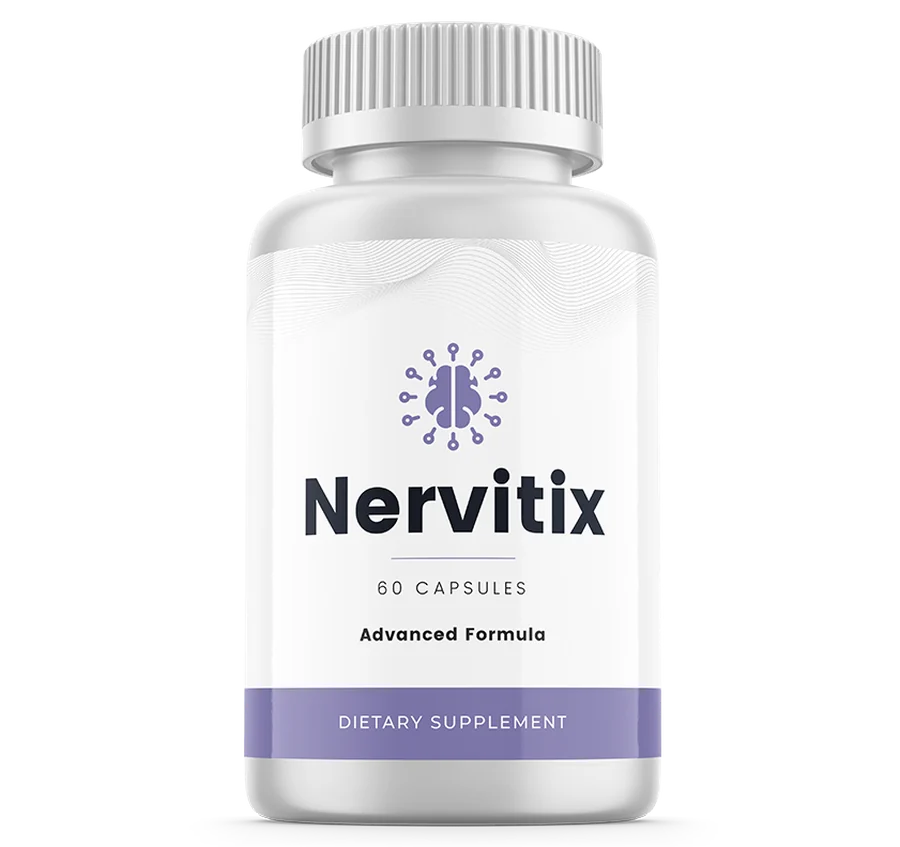
Nervitix contains passionflower as one of five botanicals, alongside marshmallow root powder, larkspur powder, prickly pear extract and golden poppy powder.
We include it for its long-standing traditional role rather than any medical claim. Nervitix is a food supplement and is not intended to diagnose, treat, cure or prevent any disease.
Building a daily nerve support routine?
Nervitix is a five-botanical food supplement taken as two capsules each morning, with free UK delivery on bundles and a 90-day money-back guarantee.
See the bundlesThis article is general information and not medical advice. Speak to your GP or pharmacist about persistent symptoms or before combining supplements with prescription medication.