7 July 2026 · 7 min read
A Nerve-Friendly Week: Diet and Lifestyle Habits That Add Up
No supplement outperforms the basics. Here is a genuinely doable week of habits that support circulation, blood sugar and nerve comfort.
Eat for steady blood sugar
Raised blood sugar is one of the most common contributors to nerve discomfort, so steadying it is the highest-value dietary change most people can make.
In practice that means protein at every meal, wholegrains rather than white refined carbohydrates, and treating sugary drinks as an occasional thing rather than a daily habit. Nothing exotic and nothing expensive.
- Oily fish twice a week — mackerel, sardines and salmon are all inexpensive options
- Leafy greens and pulses most days for folate and fibre
- Eggs, dairy or a fortified alternative for B12
- Nuts and seeds as a default snack in place of biscuits
- Colourful fruit and vegetables for dietary polyphenols
Move most days, in small doses
The UK guideline of 150 minutes of moderate activity a week is easier to hit in five 30-minute walks than in one heroic weekend session. Walking supports circulation to the hands and feet, which is exactly where discomfort tends to be felt.
If you sit for work, stand and move for a couple of minutes every half hour. Frequency matters more than intensity here.
Alcohol and sleep
Regular heavy drinking is a well-recognised contributor to nerve problems. The UK low-risk guideline is no more than 14 units a week, spread across at least three days, with several drink-free days.
Sleep matters just as much. Discomfort and poor sleep feed each other, so a consistent bedtime, a cool dark room and no screens for the last half hour are practical wins — and the reason many people take calming botanicals in the evening.
Look after your feet
If sensation in your feet is reduced, small injuries can go unnoticed. A one-minute daily check is worth building into your routine:
- Look at the soles and between the toes each evening
- Wear well-fitted shoes and avoid walking barefoot on hard floors
- Keep skin moisturised but not between the toes
- See your GP or a podiatrist about any cut, blister or colour change that is not healing
- If you have diabetes, attend your annual foot check without fail
Where a daily supplement fits
Habits work when they are stacked. Many people find that taking a supplement at the same time each morning acts as an anchor for the rest of the routine — the walk, the water, the breakfast with protein in it.
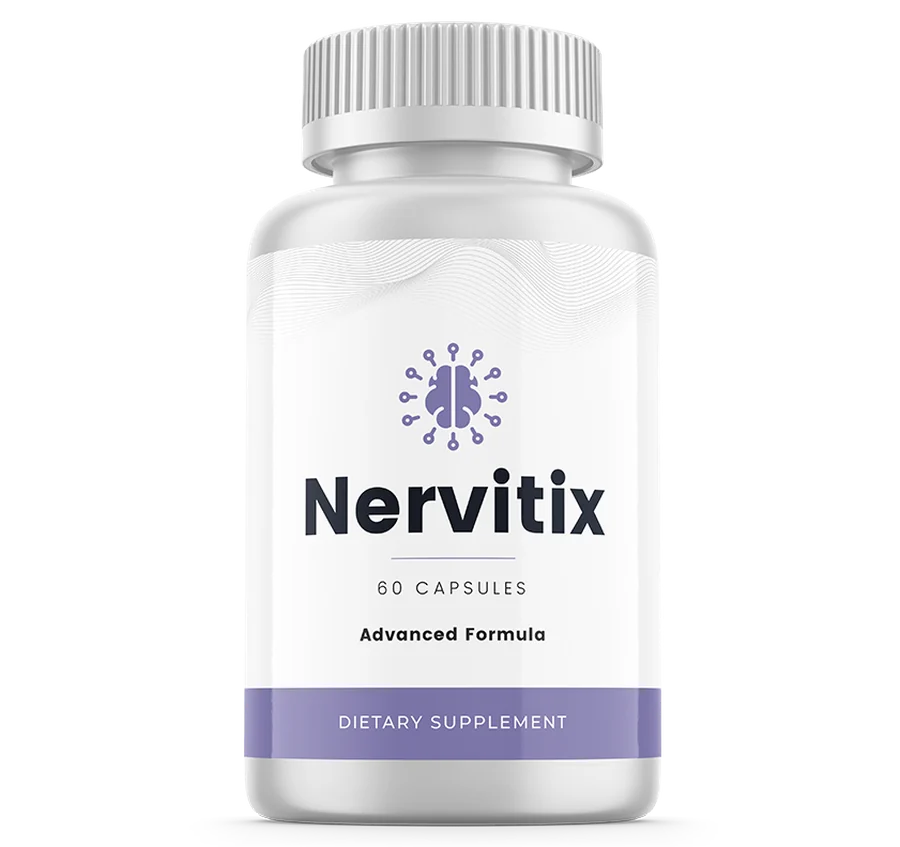
That is the role Nervitix is designed for: two capsules, same time each day, alongside the basics above. It is a food supplement, not a substitute for a varied balanced diet, medical advice or prescribed treatment.
Building a daily nerve support routine?
Nervitix is a five-botanical food supplement taken as two capsules each morning, with free UK delivery on bundles and a 90-day money-back guarantee.
See the bundlesThis article is general information and not medical advice. Speak to your GP or pharmacist about persistent symptoms or before combining supplements with prescription medication.